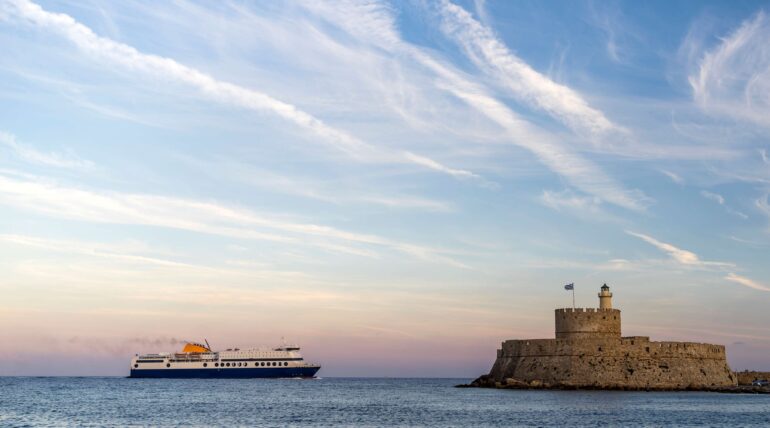
The Greek islands attract a steady stream of tourists. For a long time, water transport options remained fragmented. For example, schedules for different types of vessels were stored offline, comparing options took hours, and prepayment was complicated.
In 2015, the Hopwave team came up with a simple idea: bring local sea routes together in a single digital window and add online booking. Over several seasons, the startup evolved from a minimal prototype into a working platform with connected shipowners and real ticket sales.
Problem and hypothesis
In the summer of 2015, the team discovered a gap between the demand for island hopping and the capacity of regular ferries. Tourists were looking for short trips to neighboring islands and day trips, while the supply came from dozens of small-boat owners and taxi ferries, with no single point of entry. Hopwave’s hypothesis was to aggregate schedules, standardize flight cards, and provide online booking and price and service comparisons.
MVP and model testing
The first product was as simple as possible. The prototype published schedules without payments or online reservations. The pilot started in Kos. Offline channels were used to attract traffic. For example, flyers, partnerships with local hotels and tour companies, and direct contacts with all the owners of pleasure boats around the island. The goal was to understand what travelers were looking for and to gather feedback from boat owners.
The pilot season results showed signs of demand. The team saw recurring user scenarios and received requests for prepaid seats and exact departure times. Based on this data, Hopwave added booking and payment options for the second season.
The product offered value for both sides.
For travelers:
- Access to consolidated schedules for short water routes.
- Comparison of prices and services.
- Online booking without trips to the ticket office.
For the shipowner:
- Access to digital demand on a specific island.
- Tools for publishing flights and managing load.
- Transparent reporting on sales and seasonal dynamics.
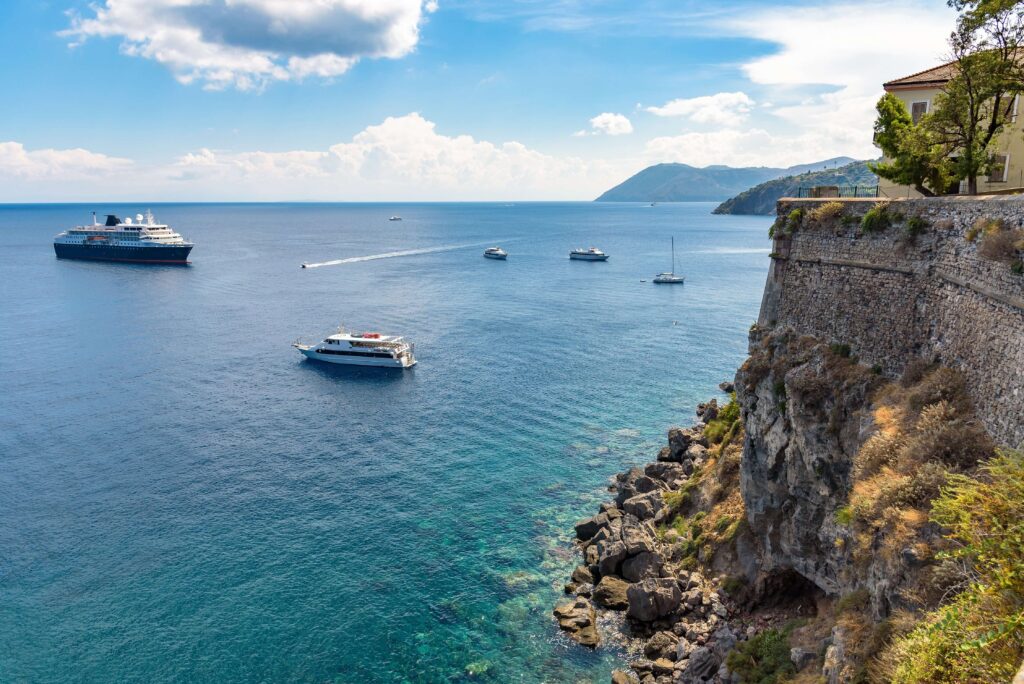
The market confirmed the need. Small fleet owners identified a demand for a stable sales channel, while tourists gained a clear showcase and the opportunity to pre-book.
About the company
After Kos, the platform expanded. The Dodecanese, Cyclades, and Sporades appeared. Connecting the market requires people on the ground. The team visits marinas, meets with owners, and explains the benefits of publishing flights. For many captains, being on the online aggregator was the first step toward digital sales.
The entry point is a website and app with a single catalog of short routes. Users see the schedule, compare prices and conditions, book, and pay. Shipowners receive a panel for uploading flights and managing seats.
The initial team changed. At its core were co-founders Georgios Pilpilidis and Georgios Siatras. Eleanna Gkotsopoulou is in charge of marketing. During the pilot phase, the team combined field sales, support, integration, and partner relations. This bootstrap approach allowed them to move quickly but required discipline and frequent releases during the high season.
In the early stages, the startup received support from the Stavros Niarchos Foundation and The Hellenic Initiative. These funds covered part of the product and market connection costs. At the start, the team focused on testing demand and improving the platform, and later opened up to further investment.
About the Product
The first season is a schedule reference. The second is payments and reservations. Next come improvements to search algorithms, management dashboards, and basic analytics.
The platform solves three problems:
- Normalizing “noisy” schedules from different sources.
- Providing relevant options based on vacation location and day of the week.
- Post-booking communication with updates on departure times and weather.
Under the hood is a typical web product stack, an API for partners, CRM for shipowners, and tracking of key metrics. For example, route views, conversion to bookings, average check, and refund rate.
Acquisition channels include partnerships with hotels and travel agents, local island ecosystems, seasonal performance advertising, content about specific destinations, and retargeting users looking for “an island nearby.” To retain customers, Hopwave uses weather and schedule notifications, personalized recommendations for short trips, and promotional packages with multiple transfers.
Hopwave measures:
- Active routes to the island and per week.
- Flight occupancy rates on different lines.
- The share of prepaid seats.
- The speed of booking confirmation by the shipowner.
- NPS of travelers and flight ratings.
These indicators provide a basis for expanding geography, strengthening routes with high LTV, and removing low-quality offers from the showcase.
The sea travel segment is subject to licensing, insurance, safety requirements, and seasonality. The team has developed an onboarding process with verification of ship owners and their documents, route description standards, refund rules, and SLAs for delays. Working with multiple archipelagos adds administrative layers, so uniform standards on the platform are critical.
Market dynamics
Greek tourism is growing thanks to short trips and multi-island routes. Seasonality remains, but the spring-autumn shoulder season is getting longer, which increases the platform’s value given its predictable demand. There is a similar demand in the Adriatic. Croatia is the next market. There are many short crossings, a fleet of private boats, and a high proportion of foreign tourism.

Classic ferry aggregators cover long distances between major ports. Hopwave’s niche is short trips and day cruises, where on-site offline sales have historically been strong. The competitive advantage comes from the concentration of local offers, the speed of schedule updates, and the complete cycle from search to payment.
The team directly points out the mistakes of the first period. For example, protracted personnel changes, releases at the peak of the season, and a lack of processes. But it was precisely quick decisions that made it possible to test hypotheses. The conclusion is that it is better to launch a minimal product and collect data for the current season than to wait a year for the next high season.
A stable model for platforms of this type is based on commissions from bookings, paid search results placements, and services for B2B partners. As the number of connections grows, so does the value of the network. More flights in the catalog result in higher user conversion, and a clear sales channel attracts new shipowners. The key is marginal economics at the level of a single flight and a reduction in acquisition costs in repeat segments.
What’s next?
The short-term development plan includes:
- Deepening coverage in current archipelagos with increased schedule coverage.
- Connecting new islands based on proximity and demand.
- Automating shipowner onboarding and description quality control.
- Partnerships with airlines and hotel chains for cross-selling.
- Pilot test in the Adriatic after fixing metrics in Greece.
Hopwave solves a specific market problem. It makes “short sea” routes transparent to tourists and manageable for boat owners. Seasonal demand in Greece gives the startup a clear test of its hypotheses every year. The focus on operational discipline, schedule normalization, and a complete booking cycle has made it a valuable platform for both sides of the market. There is potential for expansion into similar destinations. The sustainability of the model will depend on the quality of onboarding, conversion to payment, and the ability to scale standards without losing local specificity.